
Typhoon Noul Slams Southern China, Forcing More Than 800,000 to Evacuate
Key Facts
- More than 800,000 people were evacuated from Guangdong province as Typhoon Noul struck southern China.
- Hong Kong canceled approximately 350 flights, with at least 21 people reportedly injured during the storm.
- China issued its highest flash-flood alert as torrential rainfall and landslide risks were expected to continue through Tuesday.
Hong Kong reports hundreds of canceled flights as authorities warn that torrential rainfall could trigger flash floods and landslides
 by Emmitt Barry, Worthy News Washington D.C. Bureau Chief
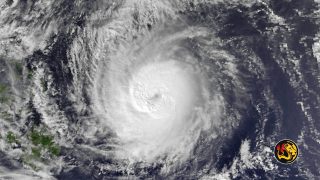
BEIJING/HONG KONG (Worthy News) – Typhoon Noul struck China’s southern coast early Sunday, forcing more than 800,000 people from their homes, disrupting hundreds of flights, and prompting the nation’s highest-level warning for potentially deadly flash floods.
The powerful storm made landfall at approximately 3:50 a.m. local time near Huidong County in Guangdong province, carrying sustained winds of roughly 68 mph near its center. Chinese officials described Noul as the strongest typhoon to make landfall in the country so far this year.
Although Noul weakened into a tropical storm as it moved inland, authorities warned that its sprawling rainbands could continue producing heavy to torrential rainfall across southern China through Tuesday.
China’s Ministry of Water Resources and national weather authorities issued a red alert—the highest warning level—for flash floods in several regions. Officials urged local governments to closely monitor mountain communities, river valleys, bridges, construction sites, and other areas vulnerable to flooding and landslides.
Mass Evacuations Across Guangdong
More than 801,000 people had been relocated to safer areas in Guangdong by Sunday, according to China’s state-run Xinhua News Agency. Earlier estimates placed the number at more than 715,000 as emergency preparations intensified before landfall.
Fishing vessels were ordered back to port, while rail, ferry, and aviation services were suspended in parts of the region. Emergency crews were deployed to clear roads, remove fallen trees, and respond to damaged buildings.
Forecasts called for intense rainfall across Guangdong and Fujian provinces, with the storm’s moisture also expected to affect Jiangxi, Hunan, and other inland regions.
The typhoon arrived during China’s peak flood-control season and became the third tropical cyclone to strike the country during July, placing additional pressure on communities already saturated by weeks of heavy rainfall.
Hundreds of Hong Kong Flights Canceled
Hong Kong was also battered by strong winds and heavy rain as Noul passed within approximately 50 miles of the financial center.
Authorities raised the city’s typhoon warning to Signal No. 9 before lowering it as the storm moved inland. At least 21 people were reported injured during the storm, while authorities received numerous reports of fallen trees and structural damage.
Approximately 350 flights were canceled, leaving an estimated 2,000 passengers stranded at Hong Kong International Airport over the weekend. Flight operations began gradually resuming Sunday as wind conditions improved.
Images from the city showed pedestrians struggling against powerful gusts, streets littered with broken tree branches, and workers clearing debris after the storm passed.
Flood Danger Continues
While Noul’s winds diminished after landfall, forecasters warned that flooding could remain the storm’s most serious threat.
Torrential rain falling over mountainous or already saturated ground can produce sudden landslides and flash floods long after a cyclone’s center has weakened. Authorities therefore maintained emergency flood-control measures across several provinces as the storm moved deeper inland.
The Chinese government allocated 100 million yuan—approximately $14.8 million—for disaster response and recovery in areas affected by the typhoon, according to the Associated Press.
Noul previously brought flooding to parts of the Philippines and heavy rainfall to Taiwan before turning toward China’s southern coastline.

Worthy News reports from a biblical worldview with a commitment to accuracy, transparency, and editorial independence. Learn more about About Worthy News, our Editorial Standards, AI Use Policy, Ownership of Worthy News, News Tips and Corrections, and Worthy News Staff.
💡 Did you know? One of the best ways you can support Worthy News is by simply leaving a comment and sharing this article.
📢 Social media algorithms push content further when there’s more engagement — so every 👍 like, 💬 comment, and 🔄 share helps more people discover the truth. 🙌
Latest Worthy News
If you are interested in articles produced by Worthy News, please check out our FREE sydication service available to churches or online Christian ministries. To find out more, visit Worthy Plugins.