
Iran Denies Uranium Concession as U.S. Ceasefire Framework Faces Nuclear, Lebanon Hurdles
 by Emmitt Barry, Worthy News Washington D.C. Bureau Chief
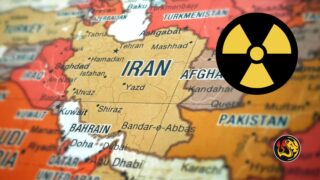
(Worthy News) – Iran has denied agreeing to surrender any of its enriched uranium stockpile under a proposed U.S.-brokered ceasefire framework, raising fresh questions over whether a broader peace deal can survive its most difficult issues: Tehran’s nuclear program, the reopening of the Strait of Hormuz, and Iran’s continued support for Hezbollah.
A senior Iranian official told Reuters on Sunday that Tehran has not agreed to hand over its highly enriched uranium and that nuclear concessions are not part of the preliminary agreement currently under discussion. The denial came after reports suggested Iran had shown some willingness to reduce or transfer part of its stockpile as part of a wider diplomatic arrangement.
The emerging memorandum of understanding, reportedly referred to by regional media as the “Islamabad Declaration,” would extend the current ceasefire for 60 days while allowing further negotiations toward a final peace agreement. Axios reported that the draft deal centers on reopening the Strait of Hormuz, one of the world’s most vital energy corridors, in exchange for U.S. sanctions relief and the lifting of a blockade on Iranian ports.
Under the reported framework, Iran would reopen the Strait without tolls and clear mines it had deployed there, while Washington would allow Iran to resume oil sales more freely through sanctions waivers. President Donald Trump said Saturday that a deal had been “largely negotiated,” but later warned that the U.S. blockade would remain “in full force and effect” until an agreement is reached, certified, and signed.
Still, the nuclear question remains unresolved. Axios reported that the draft includes Iran’s commitment not to pursue nuclear weapons and sets the stage for negotiations over enrichment and stockpile reductions, but Iranian sources have pushed back against any claim that Tehran has already accepted concrete nuclear concessions.
The dispute highlights the fragile nature of the proposed deal. One U.S. official told Axios the arrangement may not last the full 60 days if Washington concludes Iran is not serious about nuclear negotiations, saying the next phase would force Tehran to make “critical decisions” about its future direction.
Hardliners in Tehran are also signaling resistance over Hormuz. Hossein Shariatmadari, editor-in-chief of Iran’s conservative Kayhan newspaper, argued that Iran should charge transit fees on ships passing through the Strait, claiming Tehran has a legal right to do so. Iran International reported that Shariatmadari criticized any approach that would return the waterway to prewar conditions without asserting Iranian sovereignty.
Another major sticking point is Lebanon. Axios reported that the draft MOU includes language aimed at ending the war between Israel and Hezbollah, with a U.S. official saying it would not be a “one-sided ceasefire” and that “if Hezbollah behaves, Israel will behave.”
That provision has alarmed Israeli officials, who argue Washington cannot make security commitments on Jerusalem’s behalf. Israeli leaders have warned that any deal restraining Israel’s freedom of action against Hezbollah would leave civilians in northern Israel vulnerable if the Iranian-backed terror group rebuilds along the border.
Iran, meanwhile, is making clear it has no intention of abandoning Hezbollah or its wider proxy network. Iranian Foreign Minister Abbas Araghchi reportedly told Hezbollah leader Naim Qassem that Tehran would continue supporting movements it describes as seeking “rights and freedom,” naming Hezbollah explicitly.
For Israel, that pledge confirms the core danger of the proposed arrangement: Iran may seek economic relief and a pause in direct conflict while preserving the terror infrastructure it has spent decades building across the region. For Washington, the challenge is whether a temporary ceasefire can become a path toward genuine de-escalation—or merely give Tehran time to regroup.
Trump has framed the talks as a chance to reduce pressure on global energy markets and end a costly regional war, but the unresolved nuclear dispute and Hezbollah’s role in Lebanon may determine whether the agreement becomes a diplomatic breakthrough or another short-lived pause in a much larger confrontation.

Worthy News reports from a biblical worldview with a commitment to accuracy, transparency, and editorial independence. Learn more about About Worthy News, our Editorial Standards, AI Use Policy, Ownership of Worthy News, News Tips and Corrections, and Worthy News Staff.
💡 Did you know? One of the best ways you can support Worthy News is by simply leaving a comment and sharing this article.
📢 Social media algorithms push content further when there’s more engagement — so every 👍 like, 💬 comment, and 🔄 share helps more people discover the truth. 🙌
Latest Worthy News
If you are interested in articles produced by Worthy News, please check out our FREE sydication service available to churches or online Christian ministries. To find out more, visit Worthy Plugins.